By Jake Rader
This week, I stumbled upon the Documentary “Social Animals” on Netflix. The film gave us a look inside the social media usage of three young adults, and how social media (for better or for worse) affects their lives. The Film explored the attraction that we as a society have to social media, and what specifically implores us to waste godly amounts of time on these platforms daily. For young adults in particular, it chronicles the alternative realities that social media can create for the next generation.
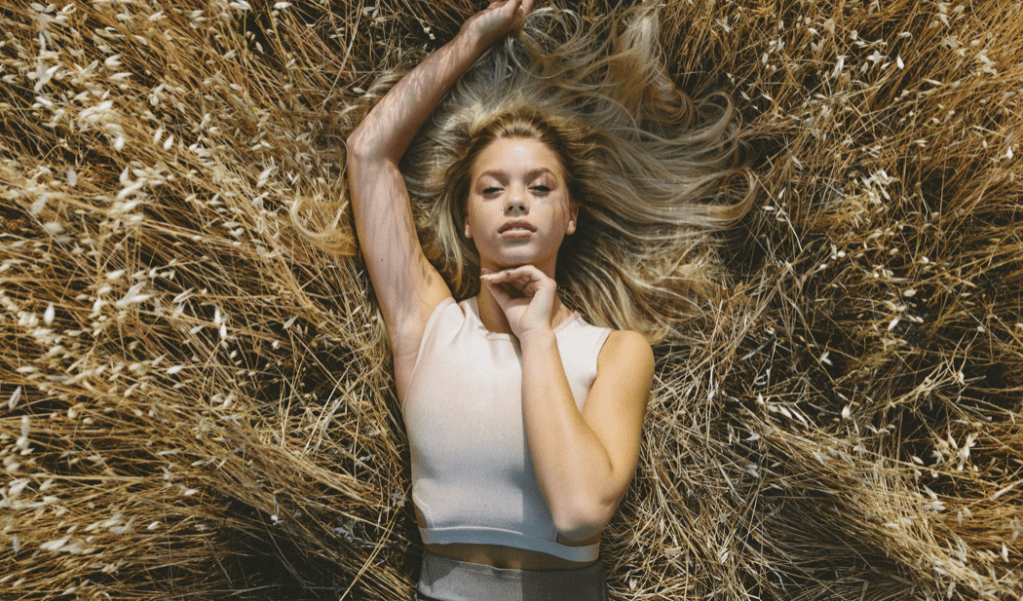
The film tells the stories of Kaylin, Humza, and Emma, and the relationship they have with social media. Our main characters all derive from largely different backgrounds, and this affects their social media presence. Take Kaylin for example, she has all the tools at her exposal. She is rich, and beautiful, which is honestly the easiest way to grow your social media portfolio. Due to her family’s wealth, she is able to collaborate with other popular creators in leading industries through social media, and even plans to start her own fashion brand. This reminded me a lot of certain people I attended high school with, as I came from a wealthy background. I know tons of kids who were only able to get to where they are right now due to their good looks/ parents money. Some of these people even have millions of followers on Tik Tok which is main boggling to me. The story of Kaylin did not really resonate with me, as I would not consider myself good looking, and I have formed my own career path separate from my parents aspirations.
The next character covered is probably the most ordinary story of them all in terms of upbringing, and social media use. Emma seems like your average american girl, as she has a modest social media following, and goes to a local catholic school. Like most teens who aren’t influencers, Emma uses social media to post artsy pictures of herself, follow the lives of famous people, and talk to her friends. However, Emma falls into a tragic cycle of cyberbullying that many young adolescents have to deal with. The problem with social media is that it is so easy to say things that you would never in a million years say to one’s face. Teens are in a very uncomfortable stage of their lives as puberty is in full force, and I believe that young adults bully each other in order to feel better about themselves. Emma falls into a trap, as the entire school takes to social media to call her vulgar names. This is tragic, as Emma is just your average teenager, and in no way shape or form signed up for this when she created an Instagram account. The story of Emma’s bullying, and eventual suicide attempt is a cautionary tale, and highlights the dangers of social media.
Moving on to the much more positive story of Humza, who is a young photographer in New York City. Humza never felt like he really fit into any of the stereotypical social groups surrounding him. This is why he chooses to take an interest in photography. This is great due to the fact that Humza is surrounded by gangs, and illegal activity, and very easily could have fallen into that world. Instead of seeking the gratification from robbing a convenience store, or getting in a fight, Humza finds that gratification on Instagram. Humza began to gain a very large Instagram following, and is known for taking daredevil style photos on top of bridges in NYC. The beauty of Humza’s story is that he literally has built a career, and social media following out of nothing. Instead of being involved in a gang, or illegal activity, Humza has built such a successful career that college students like me are writing a paper about him. I really could resonate with his story, as despite all the things stacked against him, he has been able to garner an audience he never could have imagined having when he first started taking pictures.
About a year and a half ago, I left my first College due to mental health issues. Like Humza did at times, I felt like I had hit rock bottom, and didn’t feel like I fit into any of the boxes the world has laid out for me. Eventually, I decided that I wanted to create something that I could be proud of, and I did that by creating my own sports brand on social media. To this date, we have eight thousand followers across all platforms, and I couldn’t be happier. That is why I connected to Humza’s story the most, as he is the perfect example of being able to go from nothing, and turn that nothing into something positive.
Lastly, I firmly believe that the statement “we all have edited selves on social media” could not be more factual. What we put on social media is firmly our choice, and we dictate what we want the world to see. I don’t know anybody that will willingly put information on social media that puts them in a negative light. We show the world what we want them to see, plain and simple. That’s honestly why I believe that people have so many mental health problems from social media. For someone who is not as secure/comfortable with themselves who checks social media all day, all you are seeing are these cookie cut images people present you with. It is so easy to become depressed from this, believe me i’ve been there. It is so truly hard to find someone who is remotely like the image they create on social media, and I believe that is a travesty.

 Jake's Takes
This sounds like a brilliant documentary, and especially given how thought-provoking Netflix’s ‘Social Dilemma’ was, I’d be intrigued to try it. Perhaps overly dramatized, shows like this indicate the very real problem of social media, which I posted about recently on my own blog. There are so many negative ramifications, but it is nice too see them balanced against positives. It can be a great way to connect and network, and, as demonstrated, launch careers. It’s tough to assess
LikeLike